Be yourself; Everyone else is already taken.
— Oscar Wilde.
This is the first post on my new blog. I’m just getting this new blog going, so stay tuned for more. Subscribe below to get notified when I post new updates.
Be yourself; Everyone else is already taken.
— Oscar Wilde.
This is the first post on my new blog. I’m just getting this new blog going, so stay tuned for more. Subscribe below to get notified when I post new updates.
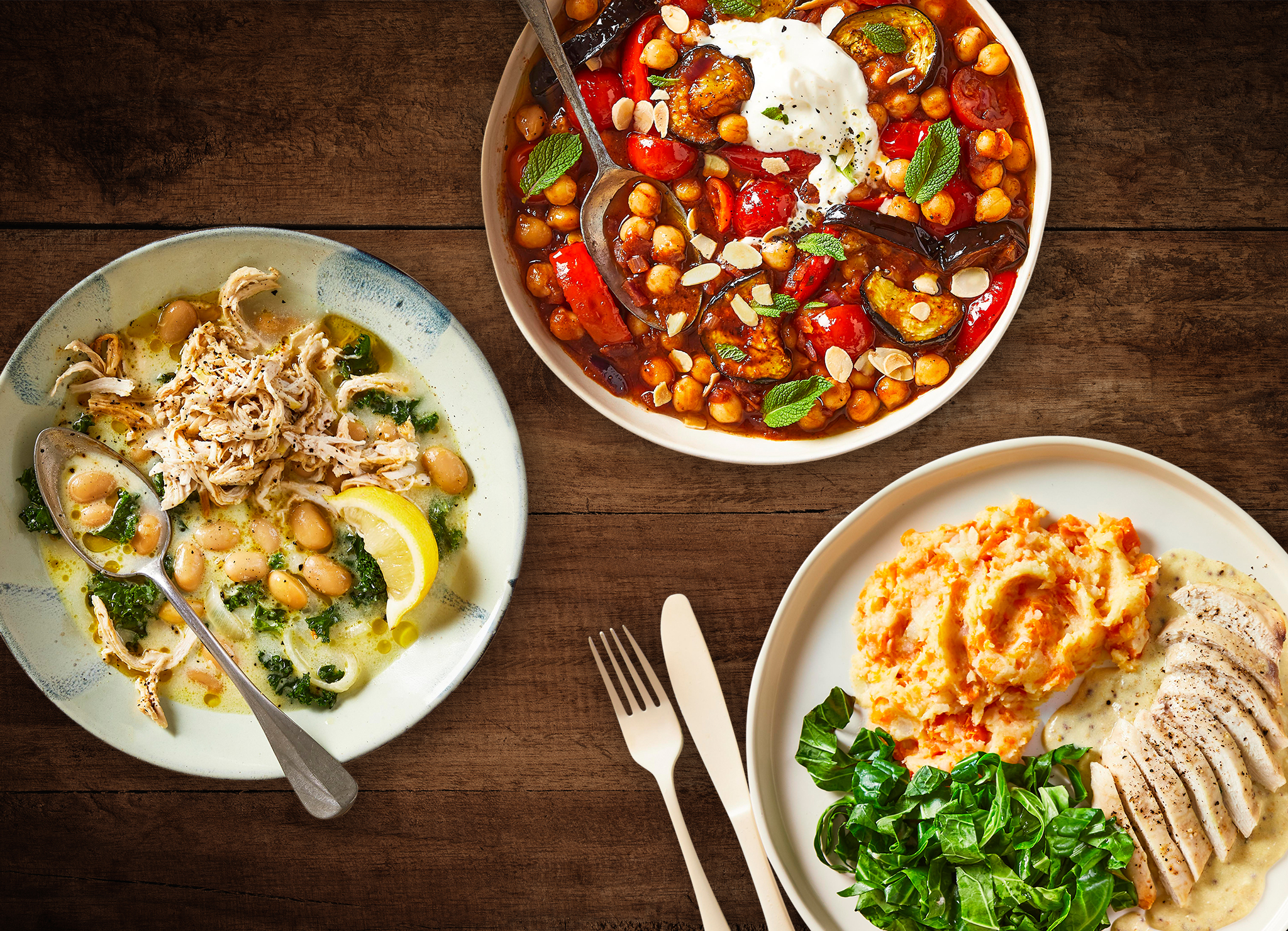
Food, substance consisting essentially of protein, carbohydrate, fat, and other nutrients used in the body of an organism to sustain growth and vital processes and to furnish energy. The absorption and utilization of food by the body is fundamental to nutrition and is facilitated by digestion.
Michael Flanagan; Reviewed by Michelle Seidel, B.Sc., LL.B., MBA; Updated March 04, 2019
For the person who enjoys cooking or baking, learning how to start a food business from home is a great way to combine a hobby with a career. Like other businesses, a home-based food business requires a lot of research and planning to start. However, you will require additional permits, inspections and marketing strategies before being allowed to make a sale. Below are some things to consider when starting a food business from home.
Decide what kind of food you want to sell and how. A variety of food-related business options include catering, meal delivery services and baked goods.
It is very important that you do your research before starting your at home food business as the food industry is very competitive.
While a business plan doesn’t have to be extra formal, it does help you take a vague idea for your at home food business and make a more concrete plan for accomplishing it. It is essential if you need financial backing, to convince your investors of your overall business strategy and financial outlook.
You will need to check your local zoning rules to make sure that you are allowed to run a food business out of your house. Otherwise, you may need to look into renting professional kitchen space. Next, you will need to make sure that your cooking facilities pass all state food cleanliness requirements. Check with your state for more specifics.
Purchase your food making equipment and ingredients from supplier. This is dictated by the type of food you’ll be making but can include items such as bowls, baking dishes, mixers, spoons and other utensils and measuring items.
Tap into your group of friends that you had try your food and mentors that you made from going to your business networking events. According to Erin Fuller, executive director of the National Association of Women Business Owners, this was how she was able to get her first client. According to Stephen Hall, author of From Kitchen to Market, hand out free samples of your food at local fairs and farmer markets
This is an example post, originally published as part of Blogging University. Enroll in one of our ten programs, and start your blog right.
You’re going to publish a post today. Don’t worry about how your blog looks. Don’t worry if you haven’t given it a name yet, or you’re feeling overwhelmed. Just click the “New Post” button, and tell us why you’re here.
Why do this?
The post can be short or long, a personal intro to your life or a bloggy mission statement, a manifesto for the future or a simple outline of your the types of things you hope to publish.
To help you get started, here are a few questions:
You’re not locked into any of this; one of the wonderful things about blogs is how they constantly evolve as we learn, grow, and interact with one another — but it’s good to know where and why you started, and articulating your goals may just give you a few other post ideas.
Can’t think how to get started? Just write the first thing that pops into your head. Anne Lamott, author of a book on writing we love, says that you need to give yourself permission to write a “crappy first draft”. Anne makes a great point — just start writing, and worry about editing it later.
When you’re ready to publish, give your post three to five tags that describe your blog’s focus — writing, photography, fiction, parenting, food, cars, movies, sports, whatever. These tags will help others who care about your topics find you in the Reader. Make sure one of the tags is “zerotohero,” so other new bloggers can find you, too.

 Foodie in a Roll